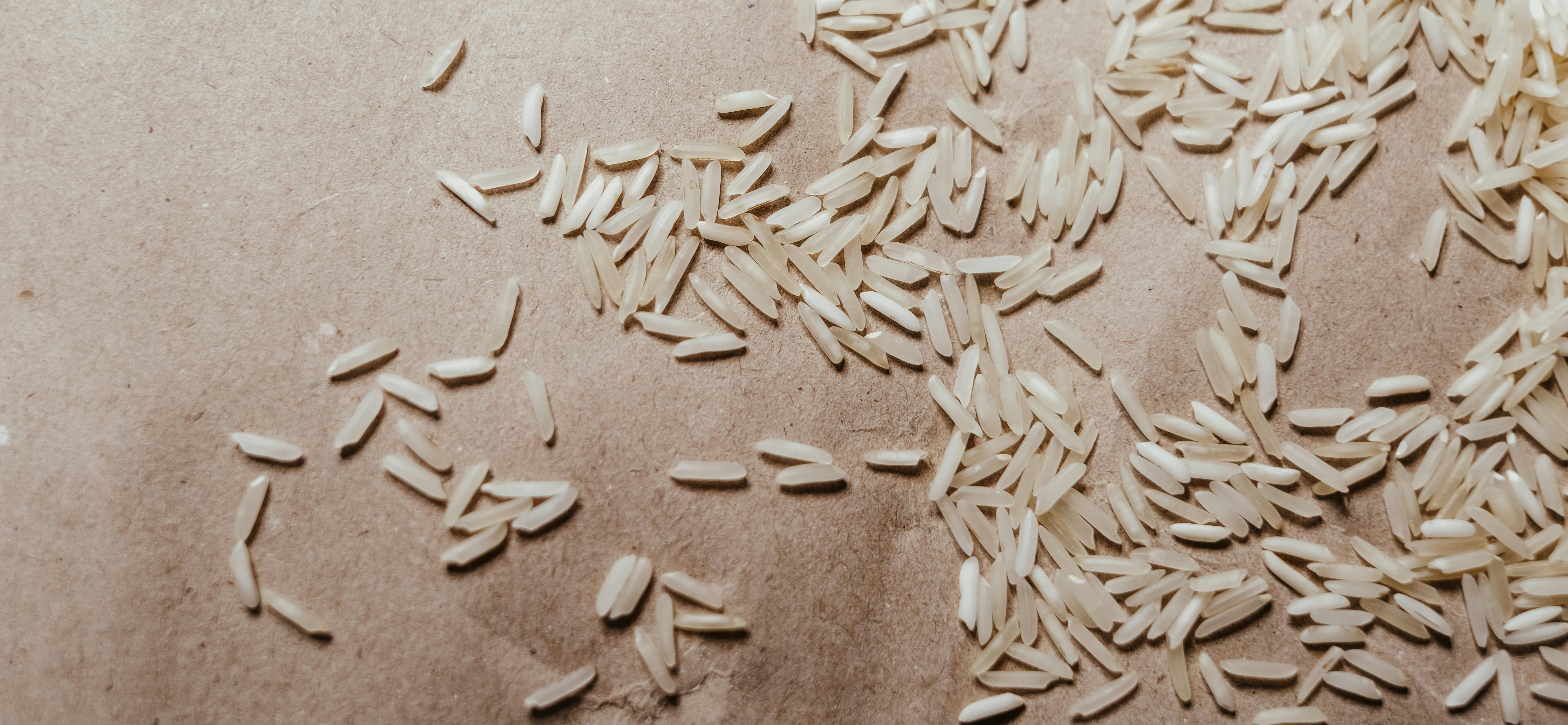
What Is a Rice Farm?
A rice farm is a specially cultivated area where rice is grown in paddy fields or upland regions. These farms balance water, soil, and human labor to produce grains that feed billions worldwide.
History of Rice Cultivation
- Ancient Origins: Originated over 10,000 years ago in Asia.
- Global Spread: Adopted across continents via trade and colonization.
- Cultural Importance: Sacred in many Asian traditions and festivals.
Stages of Rice Farming Land Preparation
- Land Preparation
- Seed Selection and Sowing
- Irrigation Management
- Fertilizing and Pest Control
- Growth Monitoring
- Harvesting
- Drying and Milling
Types of Rice Farming
- Wet Paddy Cultivation
- Dry Upland Farming
- Organic Methods
- High-tech Mechanized Farming
Environmental Impact
Rice farms require significant water and can emit methane gas. Sustainable methods like SRI and alternate wetting help reduce environmental impact while maintaining yield.
Life of a Farmer
Farmers tend to fields from dawn to dusk, managing water, checking crop health, and preparing for unpredictable weather. They are vital to rural economies and food security.
Technology in Farming
Today’s rice farms may use drones, sensors, and AI-driven apps to enhance precision, conserve water, and increase yields with fewer resources.
Cultural Significance
In many countries, rice is not just food—it's part of sacred rituals, weddings, and festivals like Pongal, Obon, and Songkran. It symbolizes prosperity and unity.
Economic Importance
Rice supports millions of small farmers and is a key export for many developing nations. It ensures food security and economic stability worldwide.
Future of Rice Farming
Innovations like climate-resilient seeds, organic practices, and AI-based farming systems are shaping the future of sustainable rice agriculture.
Conclusion: Why Rice Farms Matter
Rice farms are more than food sources—they’re cultural symbols, environmental landscapes, and livelihoods. Supporting rice farming supports the future of global nutrition.